
Written by Hayden Yarbrough
People usually discuss remote work in terms of productivity, flexibility, and output. But for many, the real change has been personal. Working from home has shifted how we view our lives overall.
Working from home has changed how many people see their time, relationships, and the space work holds in a full life.
For years, the workplace naturally gave people small moments to connect. A quick chat before a meeting, lunch with a coworker, a joke in the hallway, or a shared moment between tasks. These ordinary interactions helped people feel connected to each other and to their workplace culture.
As remote work became more common and those moments happened less often, many people noticed their absence. This made it clear that connection cannot come from work alone.
This lesson matters for organizations because employees who feel grounded, connected, and fulfilled outside of work often bring more perspective, creativity, and engagement to their jobs.
What Disappeared When Work Moved Home
When work moved into our homes, the shape of the workday changed.
Some changes were practical and welcome. Commutes got shorter or disappeared. Schedules became more flexible. People had more control over their surroundings and, in many cases, had more space to handle daily life. But the informal parts of work changed too.
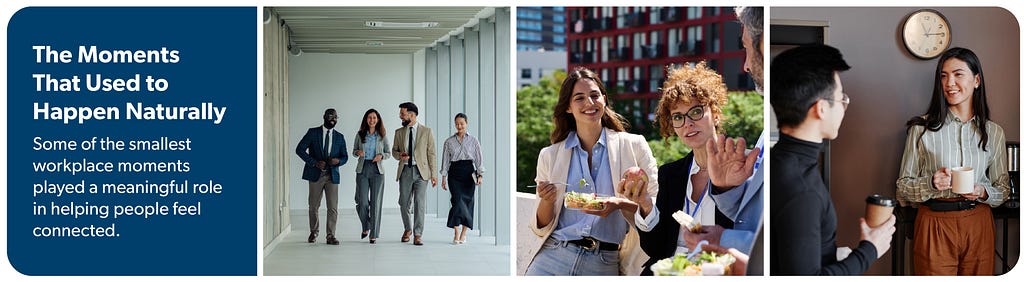
In an office, connections often happen in the small moments. But in remote settings, those moments rarely happen by chance. A video call can bring people together, but it does not always create the same sense of connection. This does not make remote work less human. It just means the human side of work needs more intention.
Rediscovering Connection Outside of Work
As daily workplace interactions turned less frequent, many people began seeking connections elsewhere.
For some people, this meant spending more time with family. For others, it meant focusing more on friends, neighbors, hobbies, exercise, volunteering, creative projects, or local events. These parts of life were always important, but remote work made their value easier to see.

Without the usual routines of office life, people had more reason to think about where connection comes from and what helps them feel grounded. A walk with a neighbor, dinner with family, a hobby, a community event, or caring for others may not seem like professional development, but these experiences can shape how people show up at work. Connection outside of work can give people perspective. It reminds them that their identity is more than just their job title, calendar, inbox, or next task.
This fulfillment matters because people do not leave their lives behind when they log on. They bring their energy, stress, relationships, values, and lived experiences with them.
How Life Outside of Work Supports Better Work
There is a business case for caring about people’s lives outside of work, but it starts with a human truth: people do better work when they have the space to live freely. Everyday experiences can help employees become more thoughtful collaborators, stronger communicators, and better problem-solvers.
Someone with time for creative interests may bring new ideas to a project. A person who volunteers locally may better understand community needs. A parent managing family routines may have a better sense of accessibility, clarity, and daily decision-making.

This does not mean every personal interest should be measured by its value at work. People deserve full lives simply because they are people. Still, organizations should recognize that when employees have space to be themselves, their work often improves as well.
Designing Workplaces That Leave Room for Life
For organizations, the lesson is clear. Work is just one part of life, and that should shape how work is designed.
This shift takes more than just offering remote work as a benefit. It needs a culture built on trust, clarity, and clear communication.
When teams work remotely, clarity matters. People need to understand what is expected, how to work together, where to find information, and how decisions get made.
Building connections needs to be intentional. This could mean better onboarding, making time for informal team chats, having more meaningful check-ins, or giving employees more ways to join in and contribute.
At the same time, organizations should avoid replacing every lost office interaction with another meeting. Connection does not always mean more meetings. Sometimes it just needs better communication, stronger team habits, and more respect for people’s time.
A healthy remote culture allows for both strong work and full lives.
What Organizations Can Learn From This Shift
Remote work has changed how many people think about time. It has also changed how they think about connection.
Losing everyday office interactions showed how important those small moments of belonging are. At the same time, remote work helped many people reconnect with parts of life that may have been pushed aside, like family dinners, friendships, creative projects, caregiving, rest, and community.
For employers, the main point is not just that people want flexibility. People want lives that feel connected, meaningful, and sustainable, and work should support that.
Organizations that understand this can build stronger cultures by creating ways to help people feel informed, included, and trusted. For mission-driven organizations, this matters. Strong work depends on people who have the clarity, connection, and space to give their best.
They can make space for connection without forcing it and support employees in doing good work while still having time and energy for the rest of their lives.
When people feel connected to their families, communities, interests, and themselves, they bring more of that perspective to their work. They are not just more productive. They are more grounded, creative, and engaged.
A full life outside of work does not compete with rewarding work. It supports it, and that is the bigger lesson of working from home.