

This article was developed with insights from Alissa Lorentz, Senior Manager and Creative Director.
In our January blog, Bringing VA Whole Health to Life Through Veteran Stories, we shared how DCG supported the U.S. Department of Veteran Affairs Office of Patient Centered Care and Cultural Transformation (VA OPCC&CT) in developing a video series centered on authentic veteran experiences. This follow-up takes a closer look at the creative thinking behind the work and what it reveals about human-centered, mission-driven storytelling.
Putting Veterans at the Center of the Story
The guiding creative vision was simple: put veterans at the center and let their lived experiences tell the story. Rather than explaining the Whole Health model in abstract terms or clinical framing, the creative focuses on why the approach works for the people engaging with it firsthand.
Veterans’ lived experiences, their enthusiasm, hesitations, and personal reasons for engaging with Whole Health, became the foundation of the messaging. In many ways, that made the work stronger and more intuitive. These were not theoretical examples of the program in action; they were real people living it.
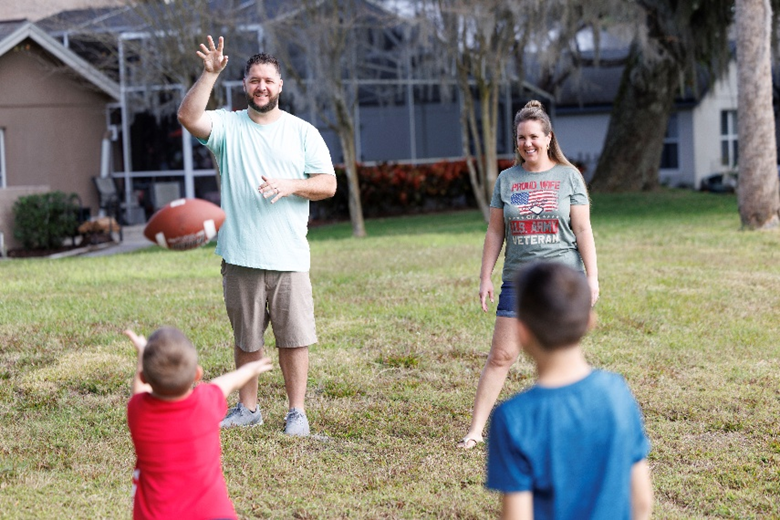
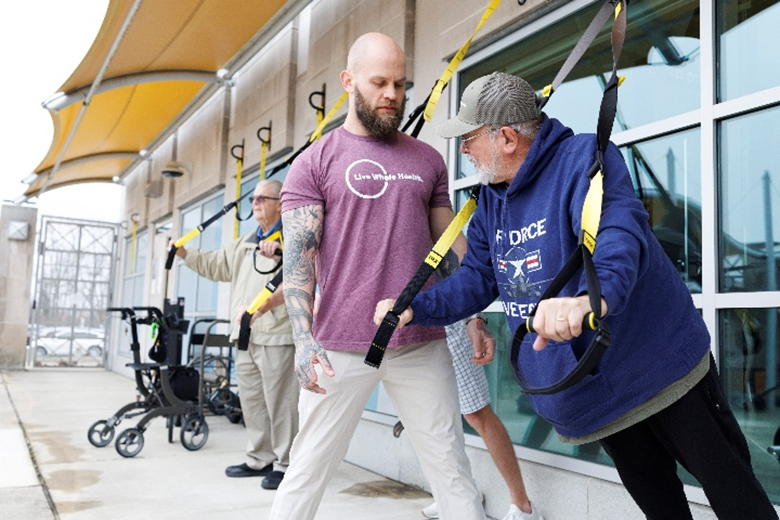
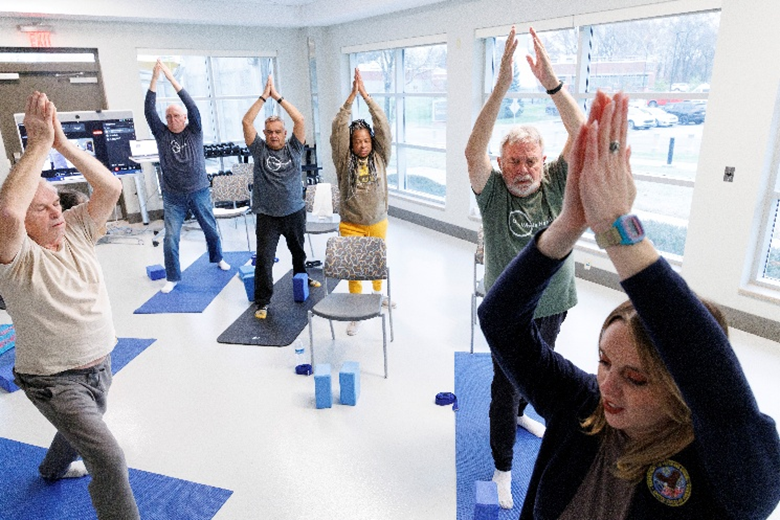
Visually, this translated into filming in authentic environments, veterans’ homes, everyday spaces, and VA facilities that are part of their routines. The intent was to capture real moments, real progress, and real emotion, so the stories would feel grounded and personal. The result reinforces that Whole Health is approachable, customizable, and integrated into daily life, not just a program veterans visit.
Choosing Authenticity Over Polish
A defining creative choice throughout the project was resisting overproduction. Authenticity mattered more than perfection. Veterans spoke in their own words, from their own perspectives, without overly scripted or rehearsed messaging.
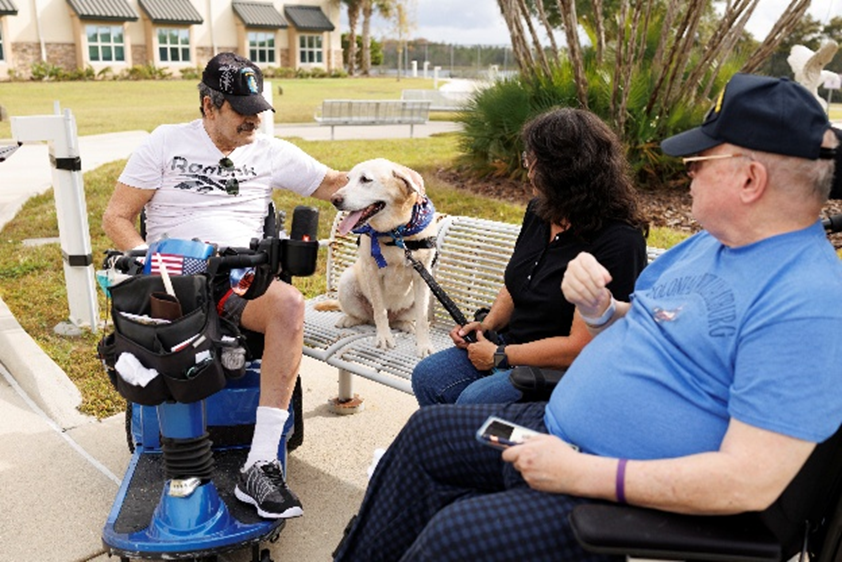
Inviting viewers into personal environments strengthens credibility by showing, not just telling, how Whole Health fits into their lives.
Creatively, the team kept the tone natural and grounded. When subject matter is this personal, emotional truth carries more weight than polish. That restraint helped the stories feel honest, respectful, and trustworthy.
Showing Whole Health as a Daily Experience
Several creative decisions reinforced the idea that Whole Health extends beyond clinical settings. Location choice was critical, emphasizing that healing and well‑being show up in routines, relationships, and mindset, not just appointments.
Tone and pacing also played a key role. The stories were given room to breathe, creating a reflective, lived-in feel rather than a fast, promotional rhythm. This approach helped communicate that Whole Health is an ongoing experience something veterans carry with them as they heal, grow, and maintain progress.
Building Trust Through Human Stories
One of the most significant creative challenges was translating a broad, holistic healthcare model into something personal and emotionally resonant, especially for veterans who may be hesitant to trust VA programs.
That skepticism informed the storytelling. Each veteran featured had their own challenges, doubts, and reasons for engaging with Whole Health. Rather than smoothing over those complexities, the creative leaned into them.
Instead of overexplaining the model, the videos allowed human interactions to carry the message. Veterans shared their lived reality, while clinicians and staff demonstrated the care, trust, and relationships that make Whole Health work in practice. This approach made the stories more relatable, credible, and impactful, particularly for audiences who may need reassurance the most.
The Responsibility of Mission-Driven Creative
Serving veterans brought a deep sense of responsibility to the work. Every story was approached with respect, honesty, and care, never sentimentality or spectacle. The goal was simple: real veterans, real stories, and real results.
Representation mattered. Veterans’ experiences are deeply personal and individual, and the creative needed to reflect that complexity with dignity. Rather than simplifying stories for the sake of a message, the work honored them as they are, human, nuanced, and meaningful.
A Lesson for Creative Leaders
The most important takeaway from this project is to listen first.
Strong, human-centered storytelling begins with understanding the people at its core — not starting with a message and working backward. Listening to hesitancy, skepticism, and misconceptions is just as important as highlighting success stories.
For creative leaders working in mission-driven spaces, the strongest strategy lives in empathy. When teams build from what is real and what audiences need to hear to believe, the work becomes more credible, more resonant, and ultimately more effective.
In this project, listening to veterans didn’t just inform the creative. It became the creative.
To learn more about Whole Health and to view the videos, visit the Whole Health Experience.